Scholarships Open Doors to Global Health Experiences for Medical Students
Scholarship support is helping UW School of Medicine and Public Health students turn global health learning into hands-on experience. Through scholarships offered by the Department of Family Medicine and Community Health (DFMCH), medical students can participate in international clinical, research, and public health programs that might otherwise be financially out of reach.
From mobile clinics in Guatemala to village homestays in Thailand and One Health learning in Ecuador, students develop clinical, cultural, and public health skills through field experiences, international electives, research programs, and the Graduate/Professional Global Health Certificate Program Online.
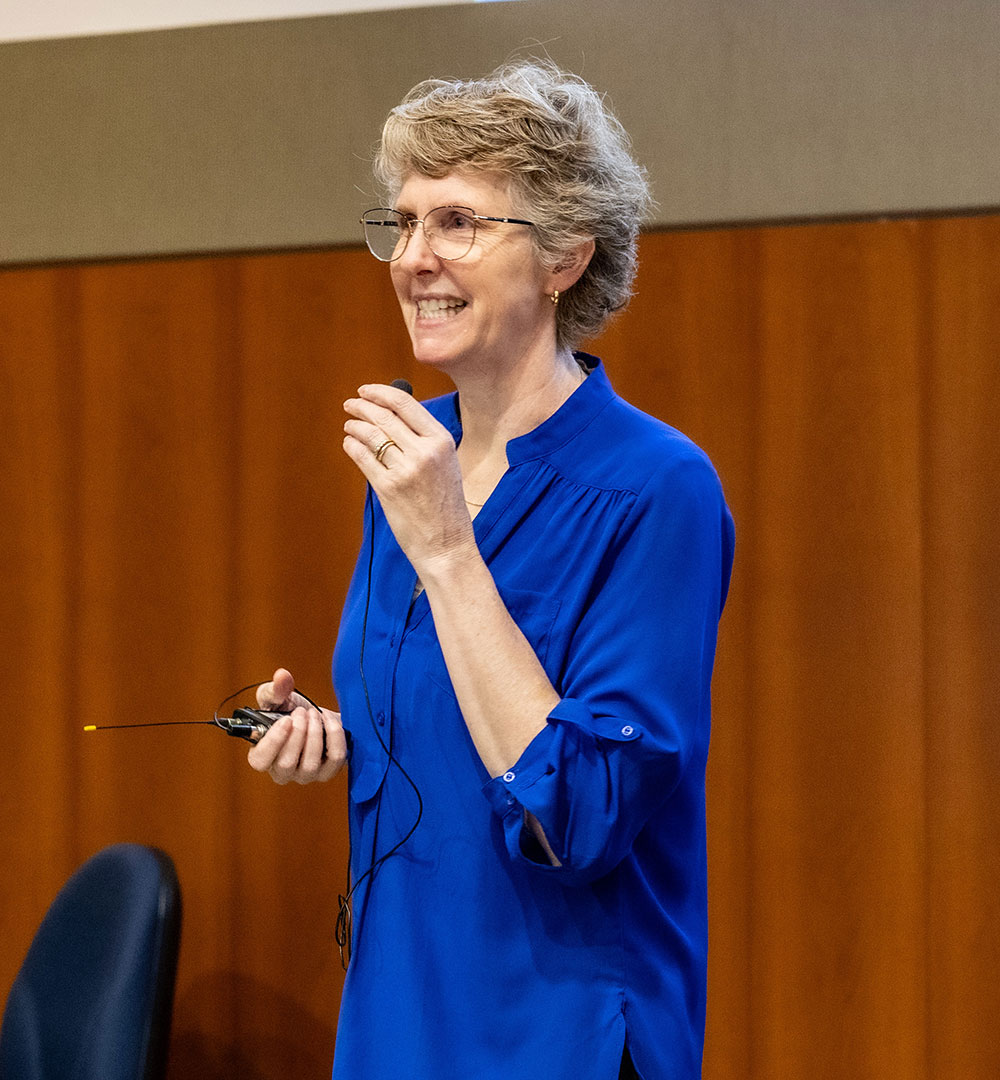
Students recently reflected on those experiences during a global health panel organized by the DFMCH Family Medicine Interest Group (FMIG). FMIG Faculty Director Dr. Melissa Ricker-Bouche introduced Global Health Certificate Faculty Director Dr. Ann Evensen by recalling a story Evensen shared during Ricker-Bouche’s residency. Returning from a trip to teach Advanced Life Support in Obstetrics in Ghana, Evensen helped respond to an in-flight labor emergency, an experience Ricker-Bouche said exemplifies the adaptability and broad clinical skills that make family physicians well suited for global health work.
Learning Beyond the Classroom
Evensen highlighted the wide range of global health experiences available throughout medical school, including summer field programs between the first and second years and international electives during the fourth year.
Students can also pursue international research through programs such as the Shapiro Summer Research Program and the Summer Student Research and Clinical Assistantship. The interdisciplinary Global Health Certificate complements these experiences through online coursework and brings together learners from medicine, pharmacy, veterinary medicine, public health, engineering, and other disciplines.
“We focus a lot on health and disease in underserved populations and on applying global health lessons both internationally and locally,” Evensen said. “Many of the skills students learn can be used just as effectively in Madison or any community they serve in the future.”
Student Experiences Across the Globe
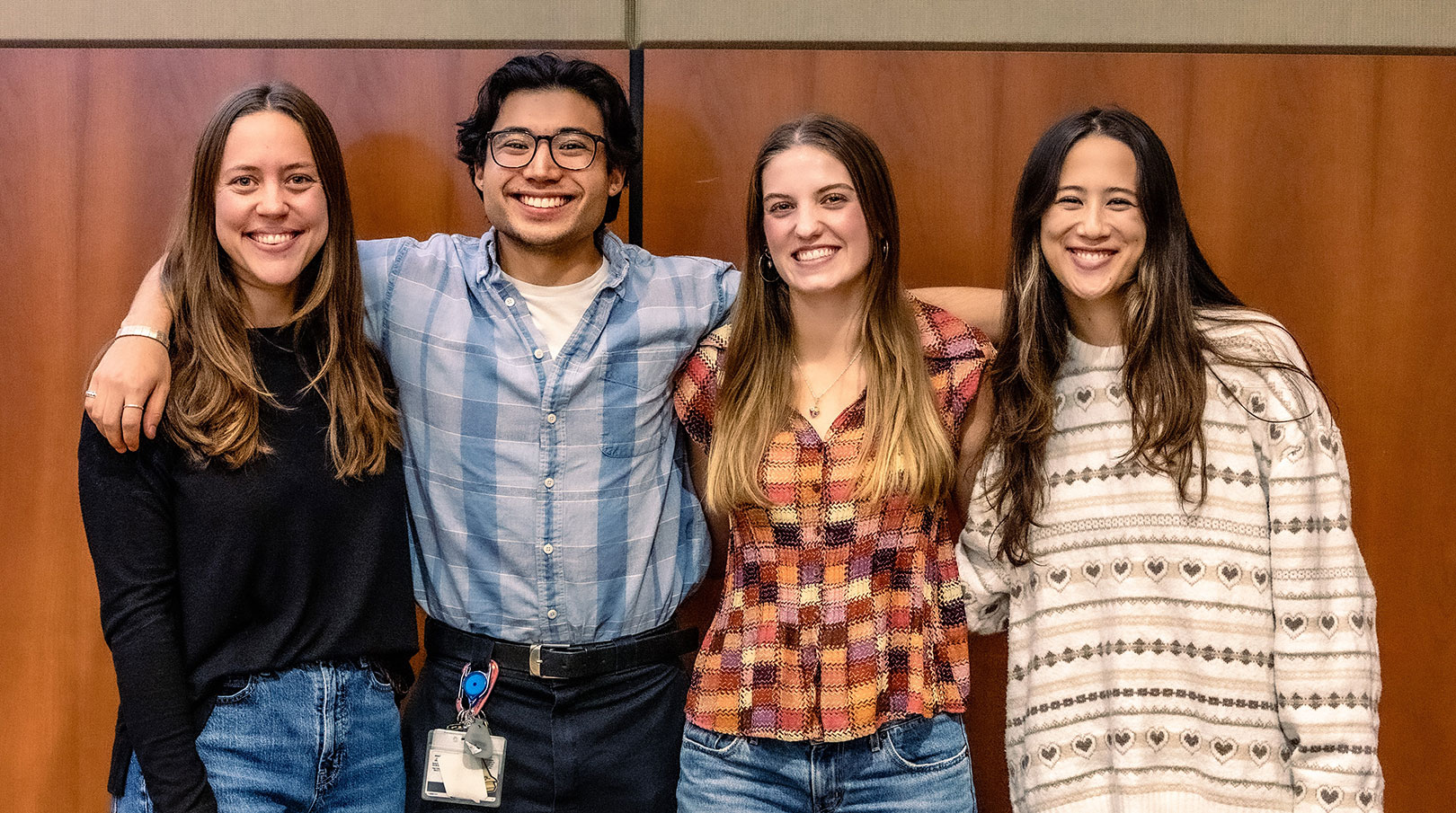
Although each program offers a different perspective on health and health care, students described common themes of cultural humility, adaptability, and community engagement.
In Guatemala, Maddy Barger and Melissa Bahr worked alongside physicians, pharmacists, interpreters, and local health providers in portable clinics serving communities with limited access to care. Students interviewed patients, performed physical exams, presented cases, and participated in treatment planning.
“The physicians give students a lot of flexibility to learn, and the teaching was incredible,” Barger said.
Bahr said the experience demonstrated the importance of teamwork and resourcefulness. She recalled a pharmacist creating an inhaler spacer from a plastic water bottle for a patient with asthma.
“It was a great example of creative problem-solving,” Bahr said.
In Thailand, Elena Roden explored public health systems and community health through coursework, site visits, and a homestay in a rural village near the Myanmar border. Working with local students and community members, she studied school nutrition and presented her findings to academic and community partners.
“Staying with a host family was honestly my favorite part,” Roden said. “You eat meals together, play with the children, and really become part of daily life.”
In Ecuador, Max Molot explored One Health, the interconnectedness of human, animal, and environmental health. Through visits to hospitals, farms, Indigenous communities, and diverse ecosystems, students examined how culture, food systems, and the environment influence health.
“This experience influenced how I think about food as medicine and sustainable health practices,” Molot said.
Two additional students were unable to attend the panel but shared reflections on their global health experiences. Justin Doan described how working with a community-based hypertension program in Guatemala strengthened his appreciation for community-led approaches to care and sustainable health solutions, while Steven Xiong reflected on lessons from Thailand, where a village homestay and exposure to Village Health Volunteers demonstrated the importance of trust and local relationships in public health and health care delivery.
Making Global Health Accessible
Students emphasized that scholarship support plays a critical role in making these experiences possible. All panelists received DFMCH scholarships, and Evensen said funding will continue for future participants. Additional support is available through UW study abroad and international education programs.
“Financial support makes these experiences much more accessible,” Bahr said.
Evensen noted that scholarships for graduate and professional students help reduce financial barriers and expand access to transformative global learning experiences. For many students, funding makes international study, research, and service opportunities possible.
Preparing Future Physicians
Whether students are providing care in mobile clinics, studying public health systems, or learning from Indigenous communities, global health experiences broaden their understanding of medicine, culture, and the social factors that shape health.
“The goal is not only to learn about another country,” Evensen said. “It’s to better understand health, culture, and underserved populations, and then apply those lessons wherever you practice in the future.”
Recent News
-
Scholarships Open Doors to Global Health Experiences for Medical Students
DFMCH scholarships expand access to global health experiences that broaden students’ perspectives…
-
DFMCH Delivers Top-Rated Clinical Training
The UW Department of Family Medicine ranks among the nation’s top programs,…
-
Wisconsin Retains 77% of DFMCH’s Newest Graduates
DFMCH celebrates the Class of 2026, with 77% of graduates remaining in…
Contact Us
Do you have a newsworthy accomplishment to share?
Please send specific details and related photos to Laura Cruz.