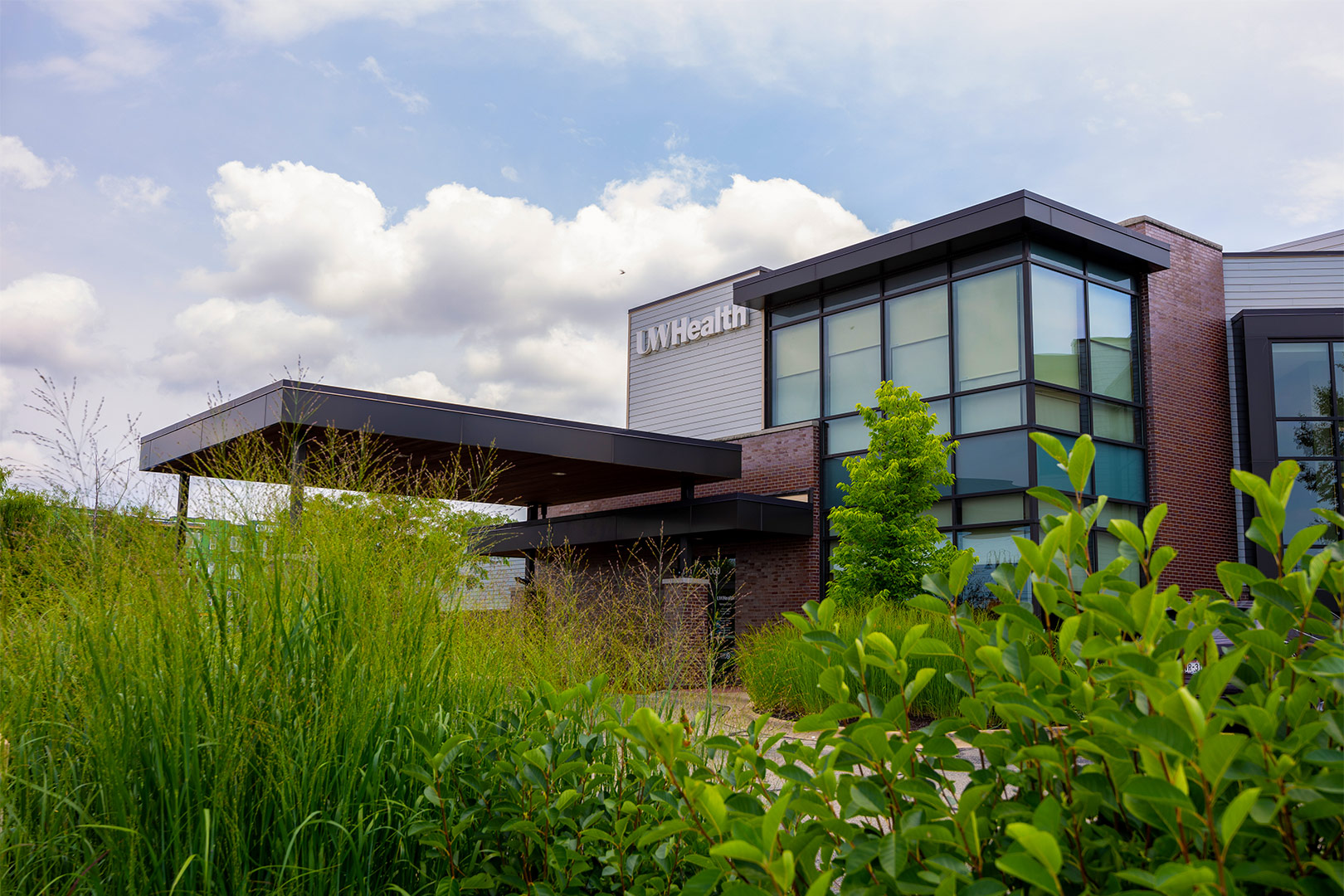
Continuity Clinics
Built on Continuity, Centered on Patients
Residents are assigned to one of four family medicine clinics for the duration of their residency. In their continuity clinic, each resident builds and manages a patient panel and provides care across the lifespan. Each clinic serves a distinct community, offering urban, suburban, and rural practice experiences that expose residents to varied patient populations and clinical needs.
This model emphasizes long-term patient relationships and supports the development of full-spectrum family medicine skills applicable across a range of practice settings.
Continuity Clinics
UW Health Belleville Clinic
The UW Health Belleville Clinic offers a close-knit rural training environment with broad clinical exposure and strong community connections. Serving patients across southern Wisconsin and northern Illinois, the clinic provides residents with meaningful experience caring for individuals and families across the lifespan.
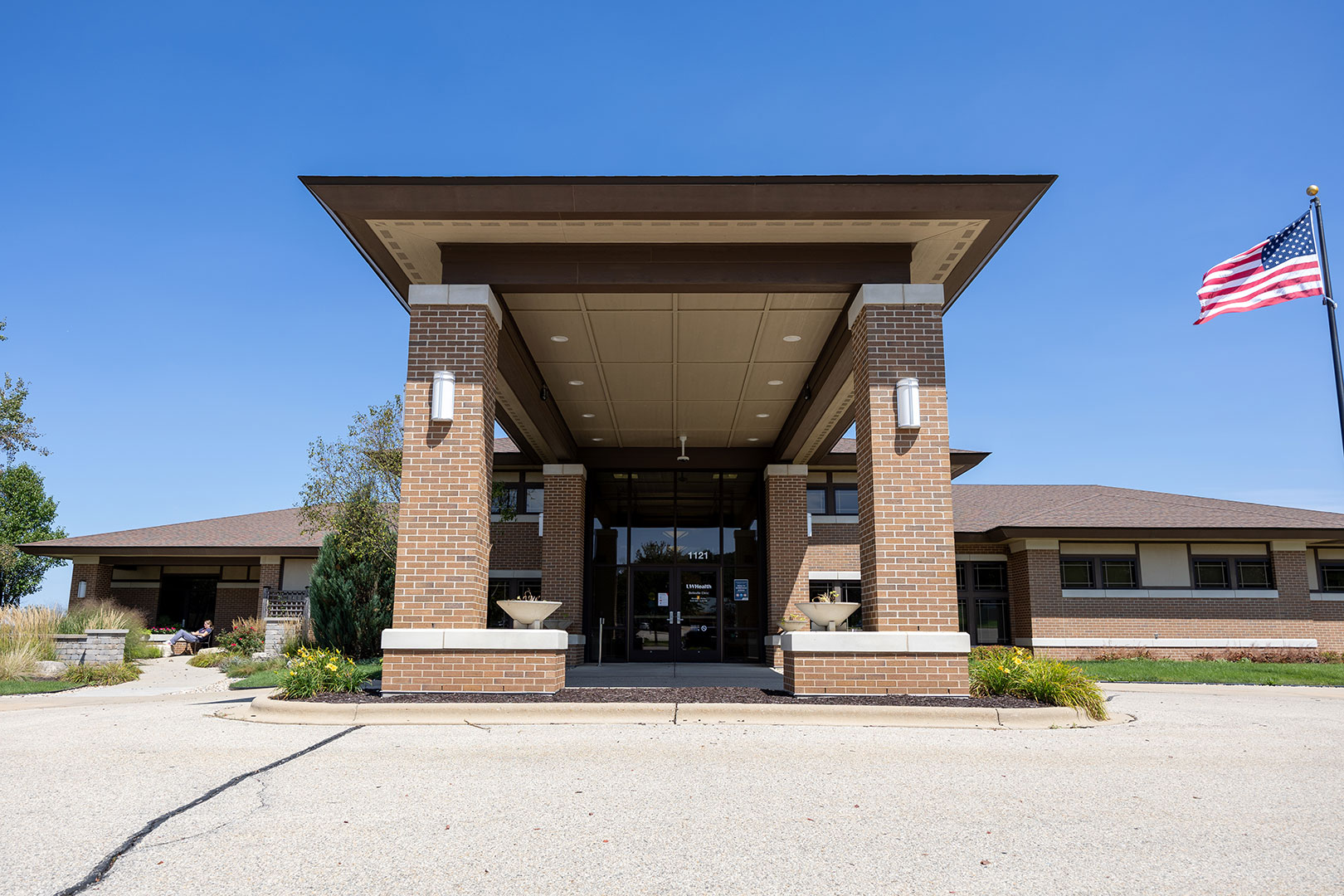
Clinic Overview
- Residents: 12 total (4 per year)
- Patient volume: Approximately 15,000 visits annually
- Practice environment: Rural, community-based family medicine
Clinical Experience
Residents at Belleville care for a balanced mix of pediatric, adult, obstetric, and geriatric patients. Prior interest in rural health is not required. The clinic offers extensive opportunities to develop broad clinical and procedural skills while caring for rural and underserved populations.
Clinical experiences include:
- Full-spectrum family medicine, including obstetrics and geriatrics
- Extensive procedural training, including vasectomy and prenatal ultrasound
- Longitudinal management of substance use disorders, including prescribing buprenorphine and naltrexone for opioid use disorder
- Care for incarcerated patients through an established community partnership
Team-based comprehensive care includes an integrated behavioral health specialist, social worker, pharmacist, and diabetes educator.
Faculty and Care Team
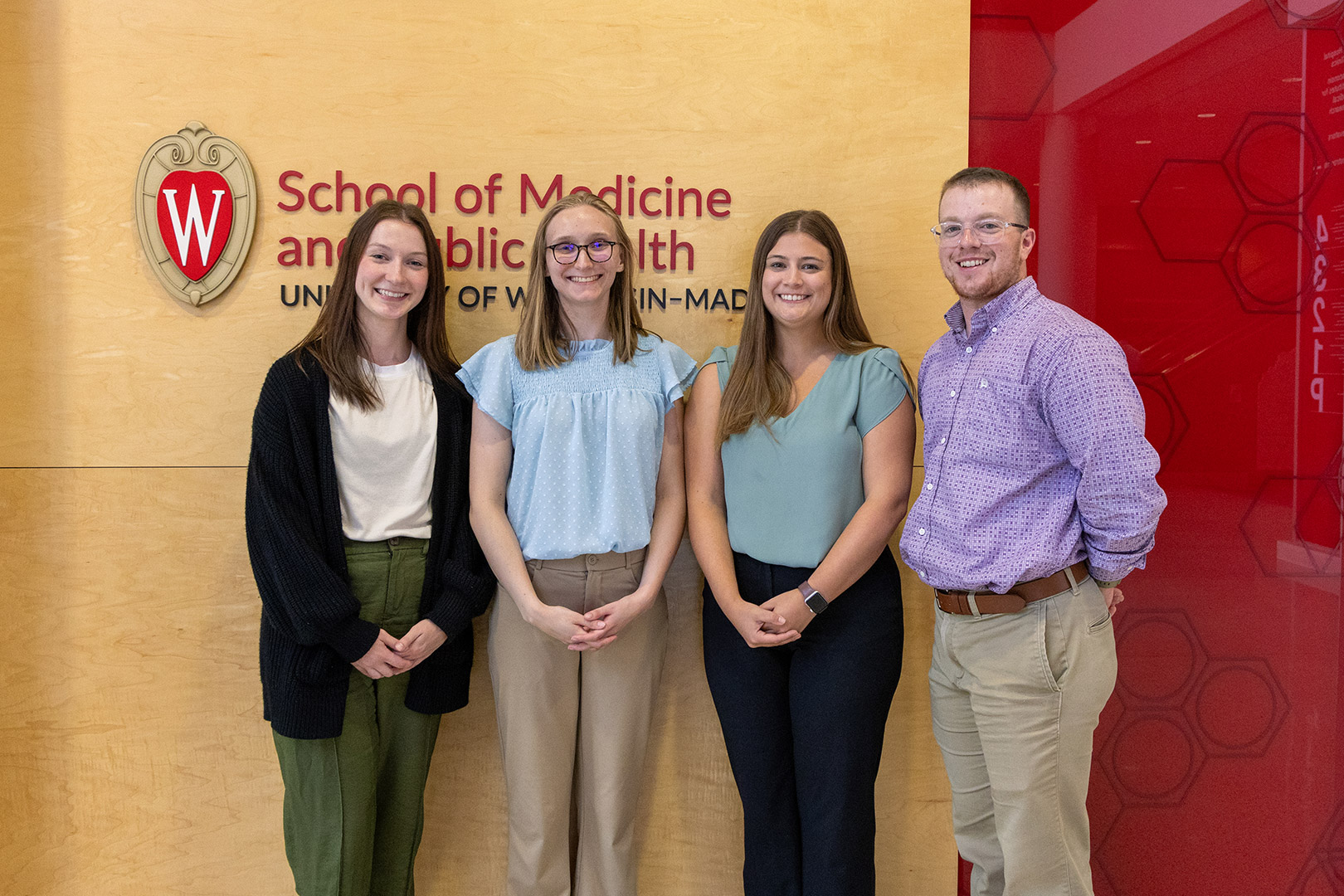
Belleville faculty bring diverse clinical and professional interests, including obstetrics, geriatrics, addiction medicine, global health, leadership, research, and gender-affirming care. Clinic staff are deeply connected to the community; many live in nearby towns and bring local knowledge that enhances patient care and resident learning.
Community and Lifestyle
Belleville offers a small-town environment with access to outdoor recreation and local events. Residents enjoy hiking on the Ice Age Trail, biking along the Sugar River Trail, and taking part in community traditions.
Rural Health Equity Track
Each year, two Belleville residents are selected for the Rural Health Equity Track (RHET), a customizable, longitudinal pathway focused on community engagement, health equity, advocacy, and leadership in rural practice.
UW Health Northport Dr. Clinic
The UW Health Northport Drive Family Medicine Clinic is a long-established, high-volume practice located on Madison’s north side near the Dane County Regional Airport. The clinic serves an urban population and is committed to delivering care that is responsive to the needs, experiences, and priorities of the patients and families it serves.
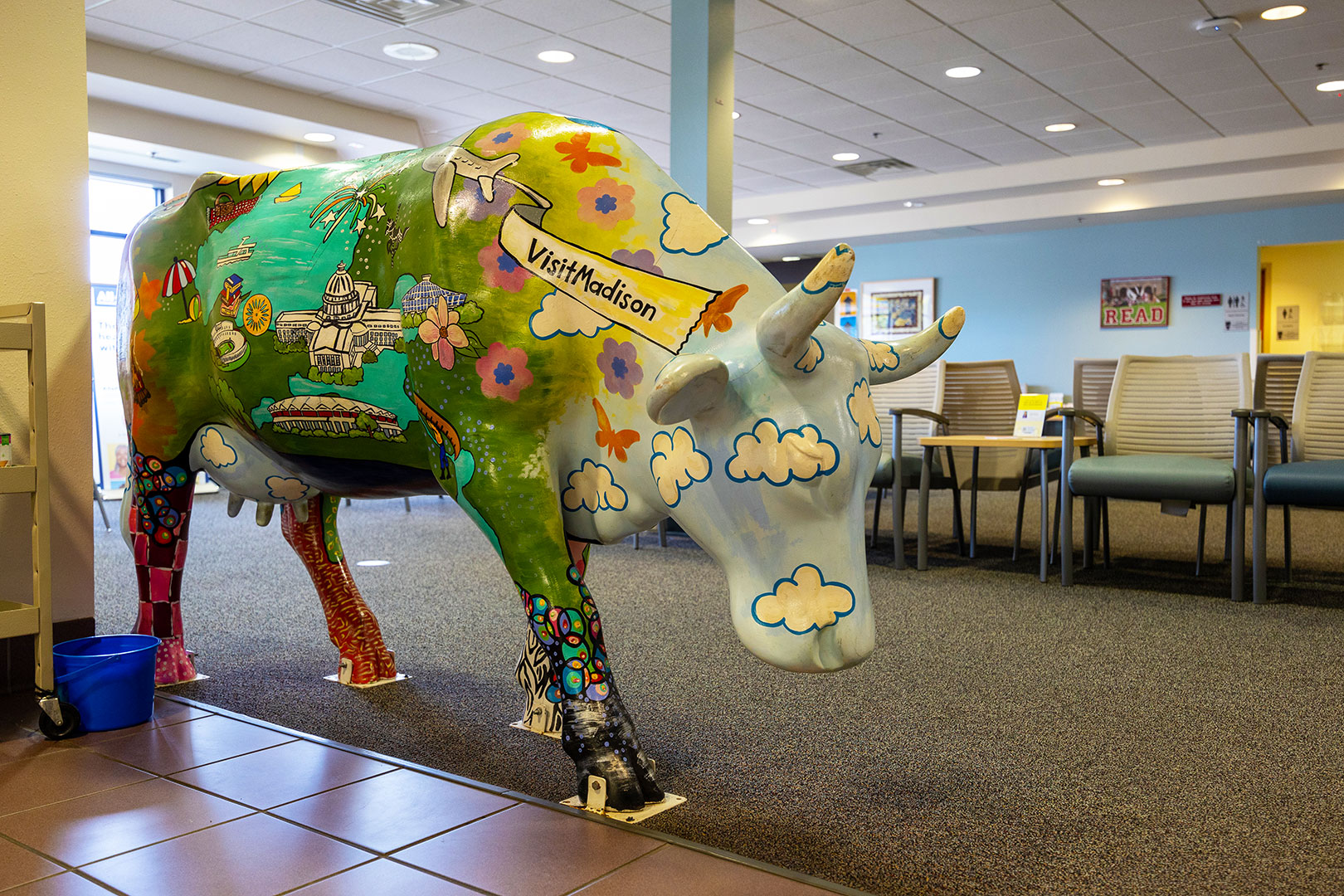
Clinic Overview
- Residents: 12 total (4 per year)
- Patient volume: Approximately 28,000 visits annually
- Practice environment: Urban, community-based family medicine
Clinical Experience
Residents at Northport Drive care for patients across the lifespan in a busy urban practice. The clinic’s patient population includes individuals and families from a wide range of cultural, linguistic, and socioeconomic backgrounds, providing residents with experience delivering comprehensive, patient-centered care in a diverse community setting.
Clinical experiences include:
- Full-spectrum family medicine for adult and pediatric patients
- Women’s health and obstetric care
- Chronic disease management and complex care
- Musculoskeletal care and procedural skills
Faculty and Care Team
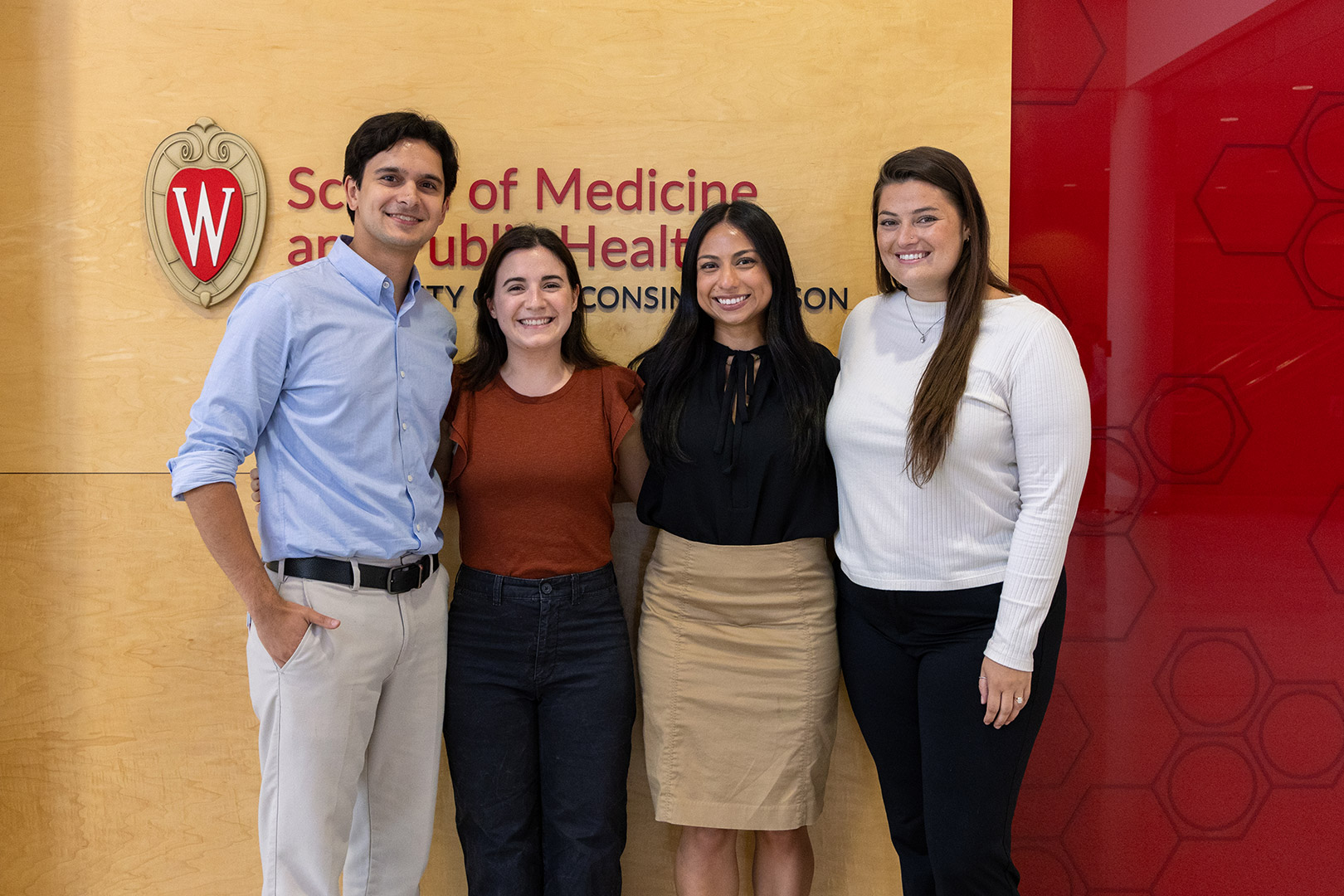
Northport Drive faculty bring broad clinical and academic interests, including disability medicine, chronic pain management, osteopathic manipulation, women’s health, obstetric ultrasound, musculoskeletal research, gender-affirming care, and child development.
The clinic’s interprofessional team includes an on-site social worker and counselor available five days per week, supporting integrated behavioral health care, consultation, and mental health services for patients and residents.
Community and Lifestyle
Northport Drive is located on Madison’s northeast side, near Warner Park and the Yahara River. Residents benefit from easy access to outdoor recreation, including walking and biking paths, lakefront activities, and community events held throughout the year. The surrounding neighborhoods offer a mix of residential areas and local businesses, along with convenient access to downtown Madison, creating a well-connected and livable environment.
UW Health Verona Clinic
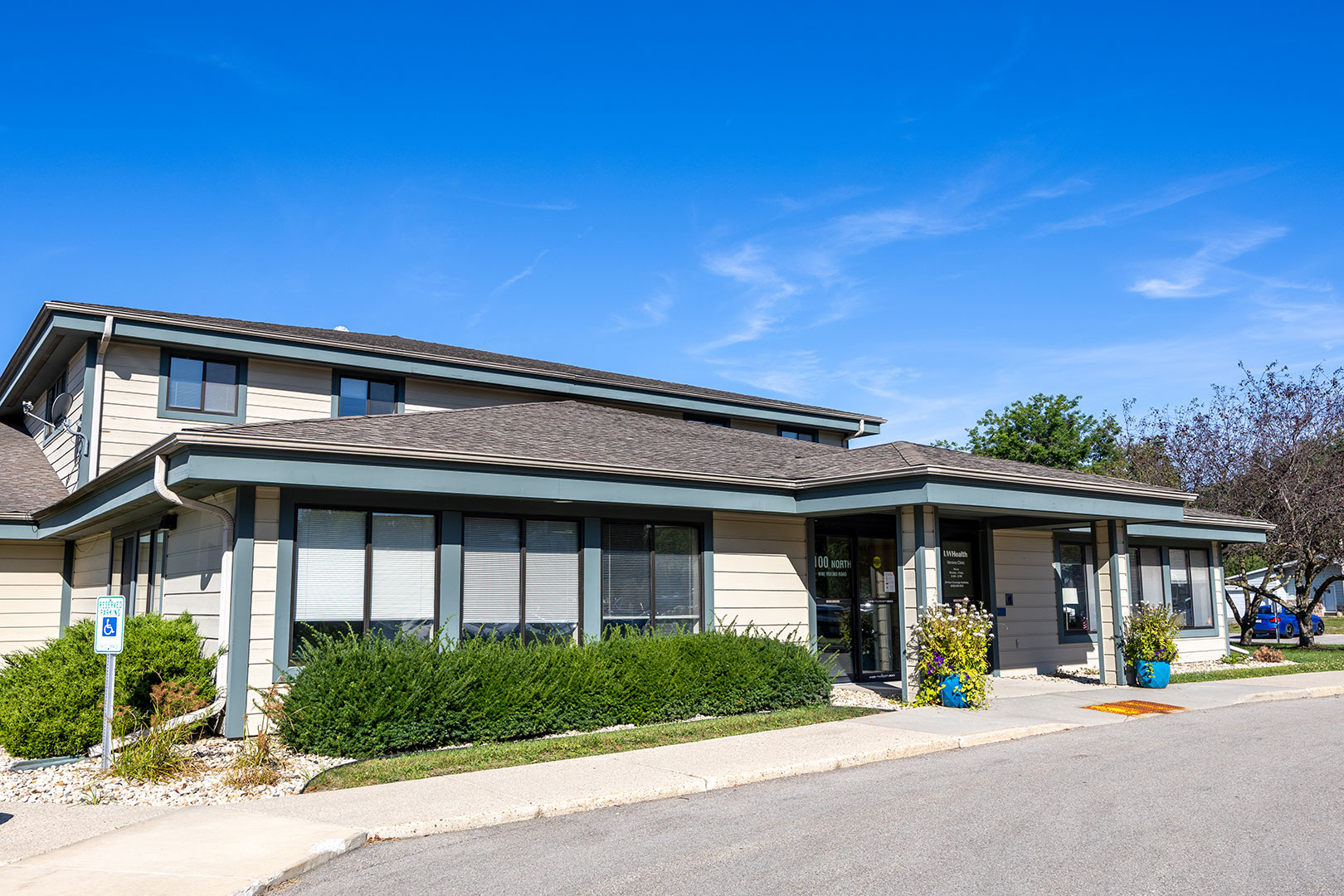
The UW Health Verona Family Medicine Clinic is located approximately 11 miles southwest of downtown Madison and serves a blended suburban and rural patient population. The clinic cares for patients across the lifespan and is deeply rooted in the community; some clinicians care for multiple generations within the same families.
Clinic Overview
- Residents: 12 total (4 per year)
- Patient volume: Approximately 24,000 visits annually
- Practice environment: Suburban and rural family medicine
Clinical Experience
Residents at Verona gain experience caring for a broad spectrum of patients and medical conditions in a community-based setting. The clinic incorporates principles of the patient-centered medical home, emphasizing continuity, access, and team-based care.
Clinical experiences include:
- Full-spectrum family medicine across the lifespan
- Diabetes group visits co-led by residents and faculty
- On-site specialty consultations to reduce the need for patient travel
- Integrated behavioral health with timely, direct access to services
Faculty and Care Team
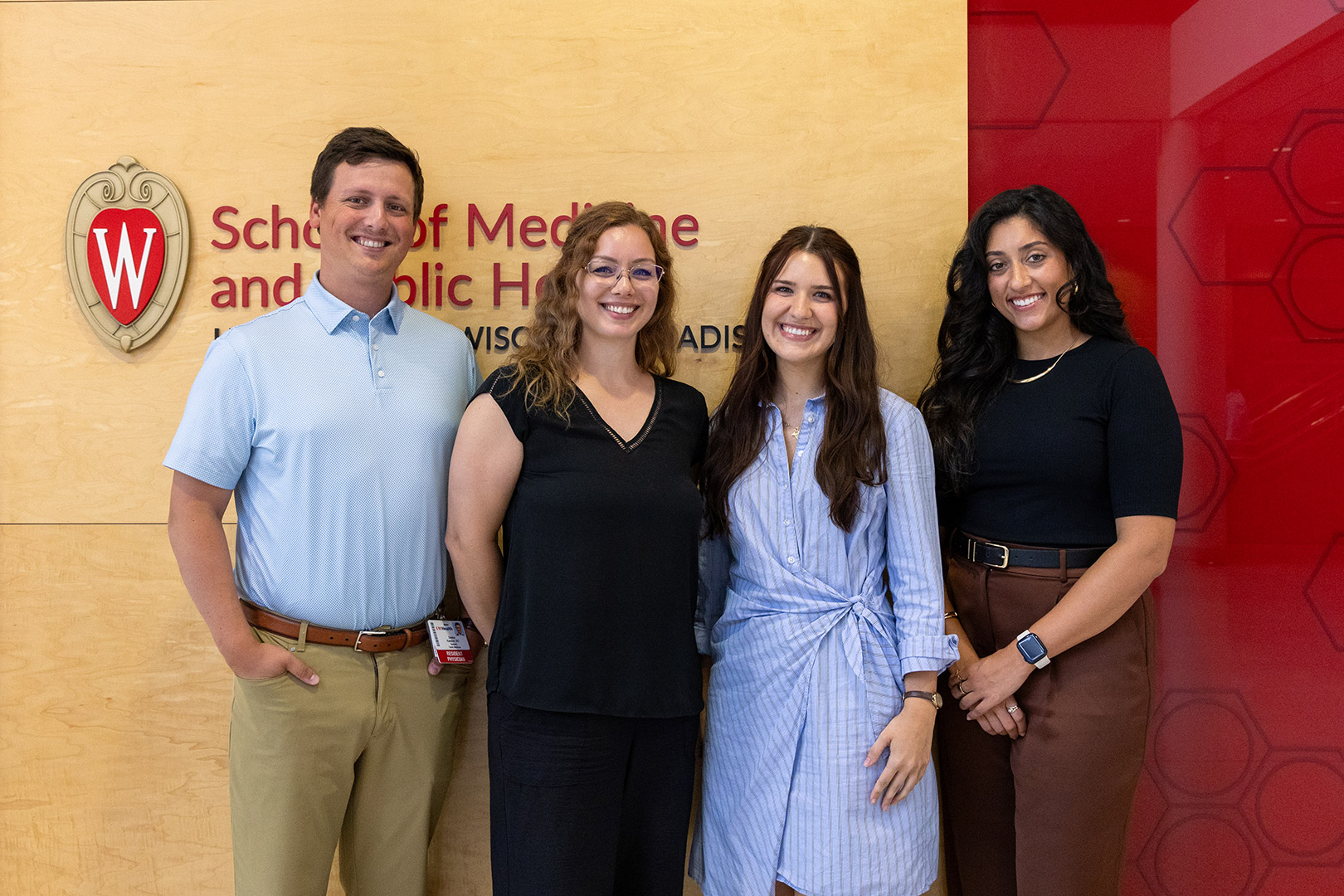
Verona faculty committed to resident education and longitudinal patient care bring broad-ranging interests and expertise within family medicine to the resident experience. The interprofessional care team supports residents in developing collaborative, patient-centered practice skills.
Community and Lifestyle
Verona offers a small-city environment with close proximity to Madison and is home to Epic Systems, one of the region’s largest employers. Residents enjoy access to parks, walking and biking trails, and community spaces, along with strong connections to local schools, the Verona Senior Center, local media, and public safety organizations. This setting provides a balance of suburban convenience, community engagement, and access to the academic and cultural resources of Madison.
UW Health Wingra Clinic
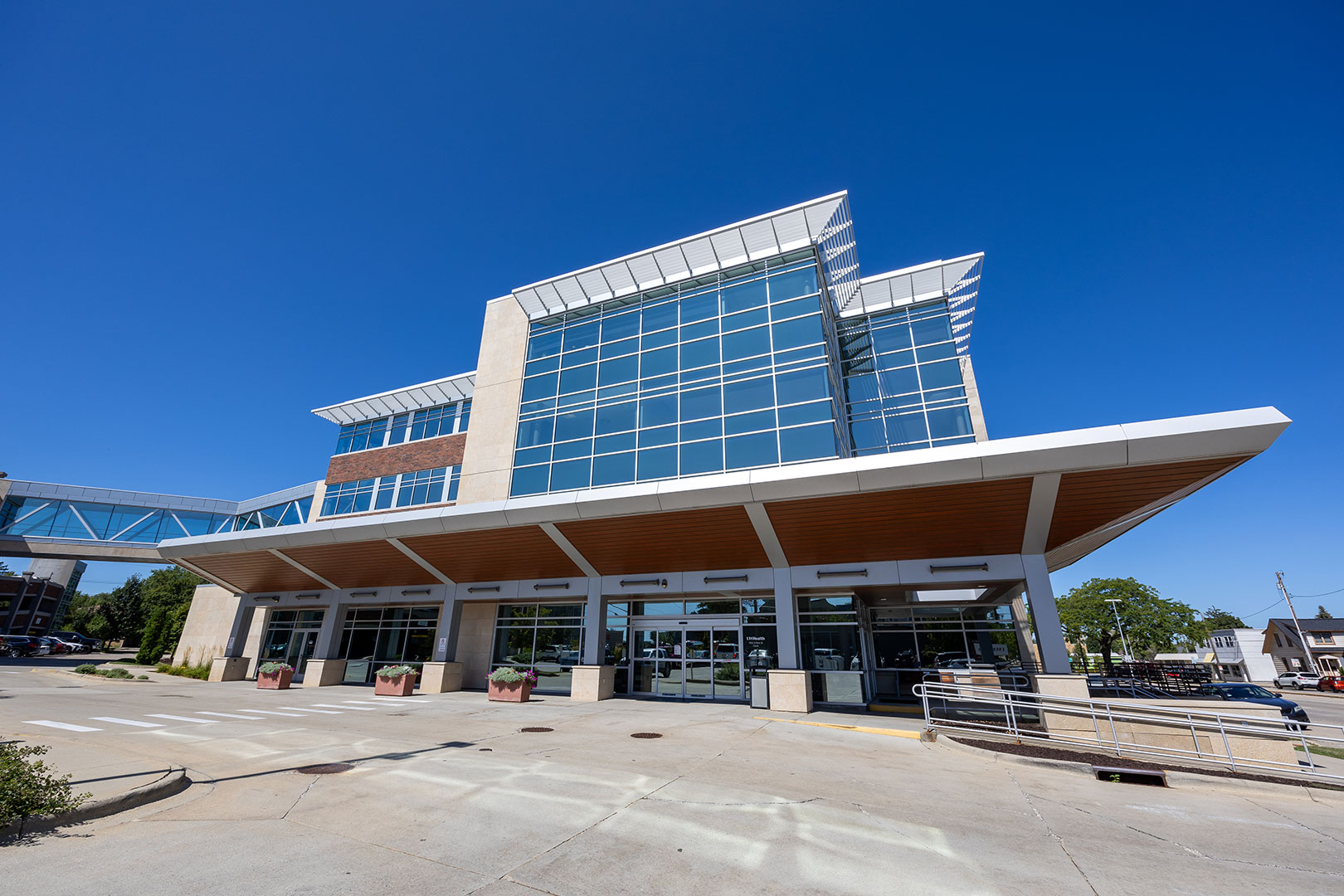
The UW Health Wingra Family Medical Center is the most centrally located residency clinic and cares for a medically underserved area of Madison. Residents gain experience caring for patients in a complex, multicultural urban environment while developing skills in comprehensive, team-based family medicine.
Wingra is affiliated with Access Community Health Centers (ACHC), a network of Federally Qualified Health Centers (FQHCs), providing residents with insight into FQHC operations and expanding access to services for patients.
Clinic Overview
- Residents: 12 total (4 per year)
- Patient volume: Approximately 20,000 visits annually
- Practice environment: Urban, community-based family medicine
Clinical Experience
Residents at Wingra care for a diverse patient population across the lifespan, including multigenerational families. The patient population tends to be slightly younger than at other residency clinics, offering broad exposure to pediatric, adult, and preventive care.
Clinical experiences include:
- Full-spectrum family medicine in an underserved urban setting
- Integrated behavioral health with on-demand psychology support and consulting psychiatry
- Comprehensive care for patients with substance use disorders through the Addiction Medicine Program
- Medication management supported by on-site pharmacists and University of Wisconsin School of Pharmacy interns
- Care delivered with interpreter support when needed, most commonly in Spanish, Hmong, and Cambodian
Faculty and Care Team
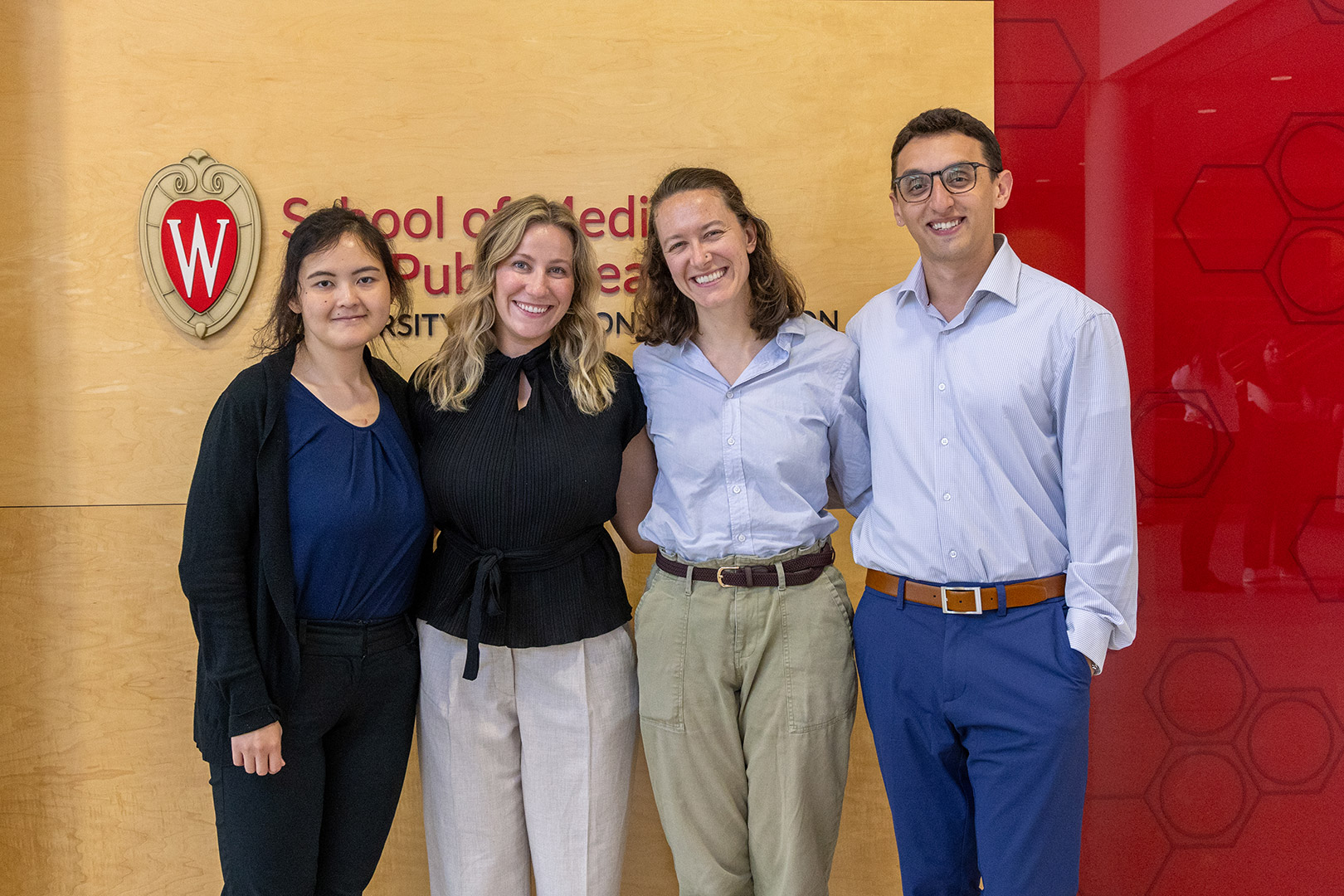
Wingra’s interdisciplinary care team supports residents in delivering comprehensive, patient-centered care and includes behavioral health specialists, a social worker, a nurse care coordinator, pharmacists, and pharmacy learners. Residents work closely with faculty, fellows, and staff committed to education, collaboration, and high-quality care.
Community and Lifestyle
Wingra is located near central Madison neighborhoods, offering convenient access to downtown, campus, and city resources. Residents benefit from close proximity to public transit, bike paths, and surrounding neighborhoods, along with opportunities to engage meaningfully with the communities they serve.
Continuity Clinic FAQs
Clinic assignments are determined after the Match and are informed by a clinic preference survey completed by incoming residents. The program reviews residents’ stated preferences, prior experiences, and training goals in the context of the full matched class to create balanced clinic teams and support strong educational and clinical fit.
The goal of this process is to align resident interests with clinic environments while ensuring equitable learning opportunities across all sites.
- Comprehensive family medicine care, including maternity services, home visits, and nursing home coverage
- A wide range of procedural training opportunities
- Low resident-to-faculty ratios that support close supervision, teaching, and mentorship
- Teaching opportunities with fellow residents, medical students, and other learners
- Integrated electronic health record access in exam rooms and work areas, with nearby educational resources
Each clinic is supported by an interprofessional team focused on resident education and patient care, including:
- Family medicine faculty whose primary focus is resident teaching
- Physicians with broad clinical and procedural expertise
- Faculty engaged in medical student education and research
- Behavioral science faculty, nurse practitioners, and physician assistants who support team-based care and resident development
- Dedicated clinic staff committed to high-quality patient care and education
- Clinic managers who oversee daily operations and provide instruction in practice management
Our People
Our Training Sites
Contact Us
Questions about applications and interviews can be sent to: dan.samuelson@fammed.wisc.edu