UW Marks 25 Years of Integrative Health, Five Years of the Osher Center
Twenty-five years ago, integrative health at the University of Wisconsin Department of Family Medicine and Community Health (DFMCH) began in an unlikely place: a large broom closet at the Research Park Clinic, now UW Health Science Drive Medical Center. Led by Dr. David Rakel, a small interdisciplinary team of health professionals, educators, and administrators cleared out cleaning supplies and created space for a new vision of care, one that focused on the whole person, not just disease.
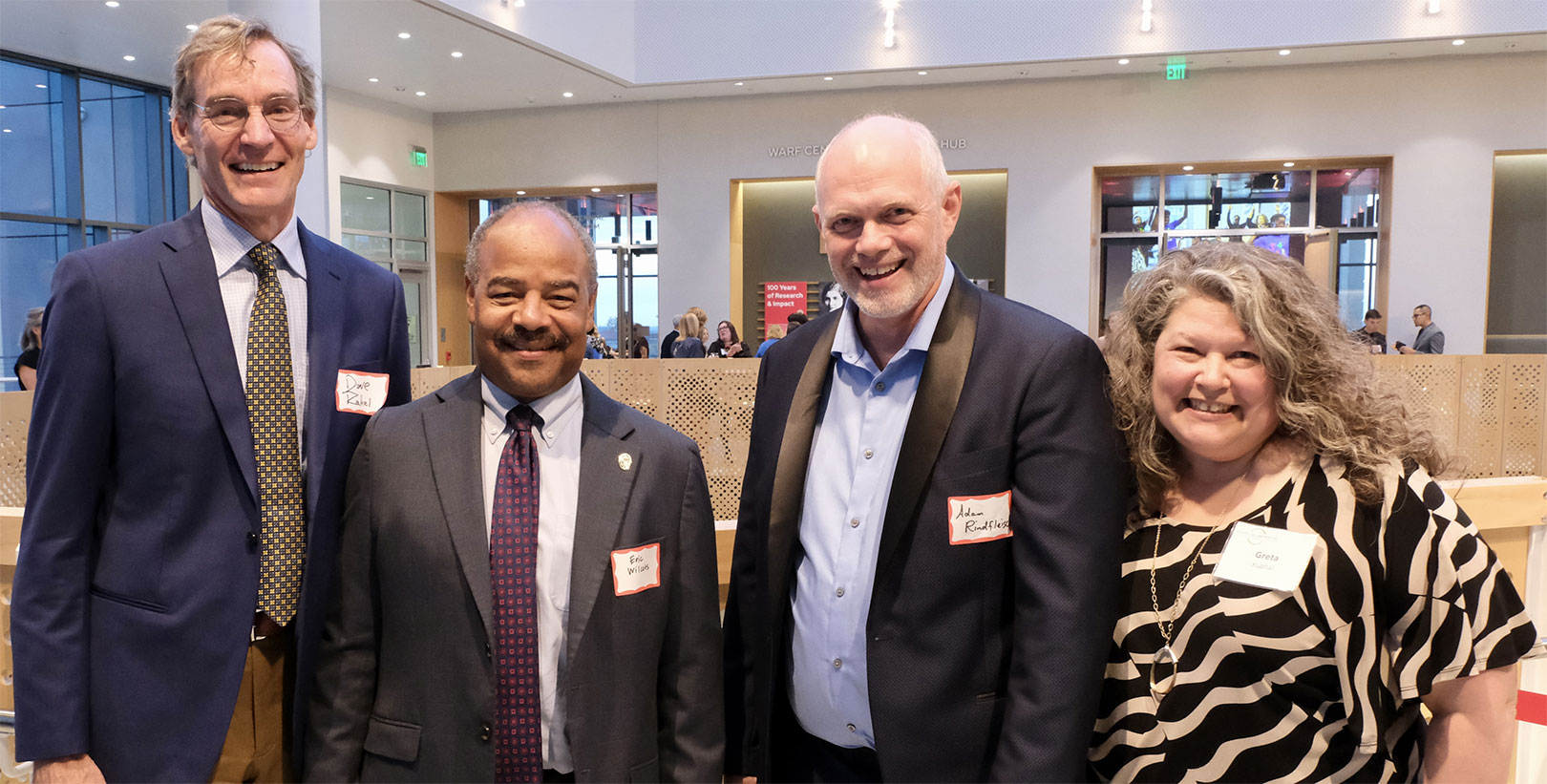
Today, that effort has grown into a nationally recognized program spanning five UW Health locations, a longstanding fellowship, influential research programs, and the Osher Center for Integrative Health at University of Wisconsin–Madison, which will soon mark its fifth anniversary.
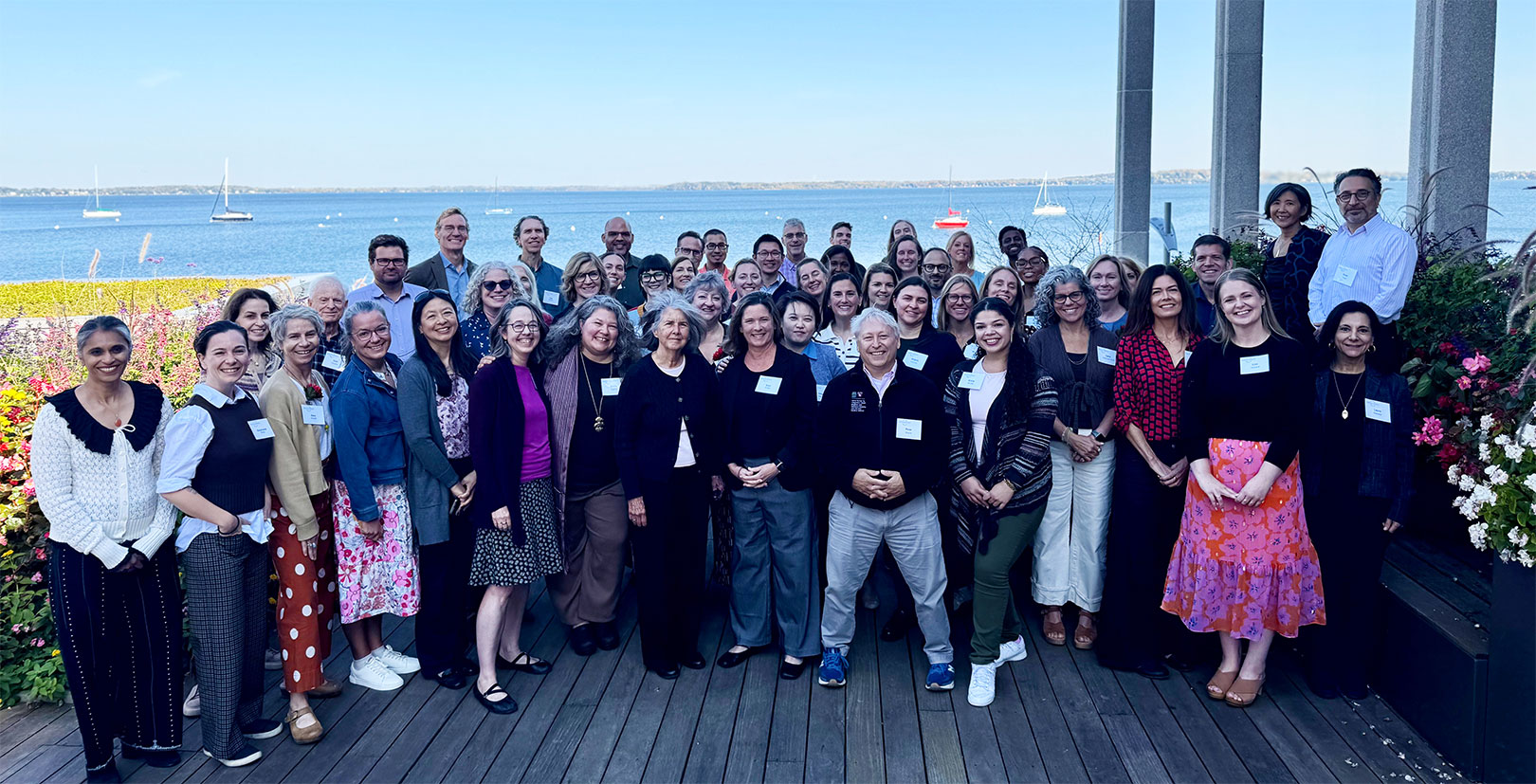
Last month, members and supporters of the integrative health community from across the country gathered during the Osher Collaborative’s annual meeting, held in Madison for the first time, to celebrate both milestones and reflect on a quarter century of growth.
“It’s an honor to be the vessel through which all this gratitude can be given,” said Dr. Greta Kuphal, director of the Osher Center.
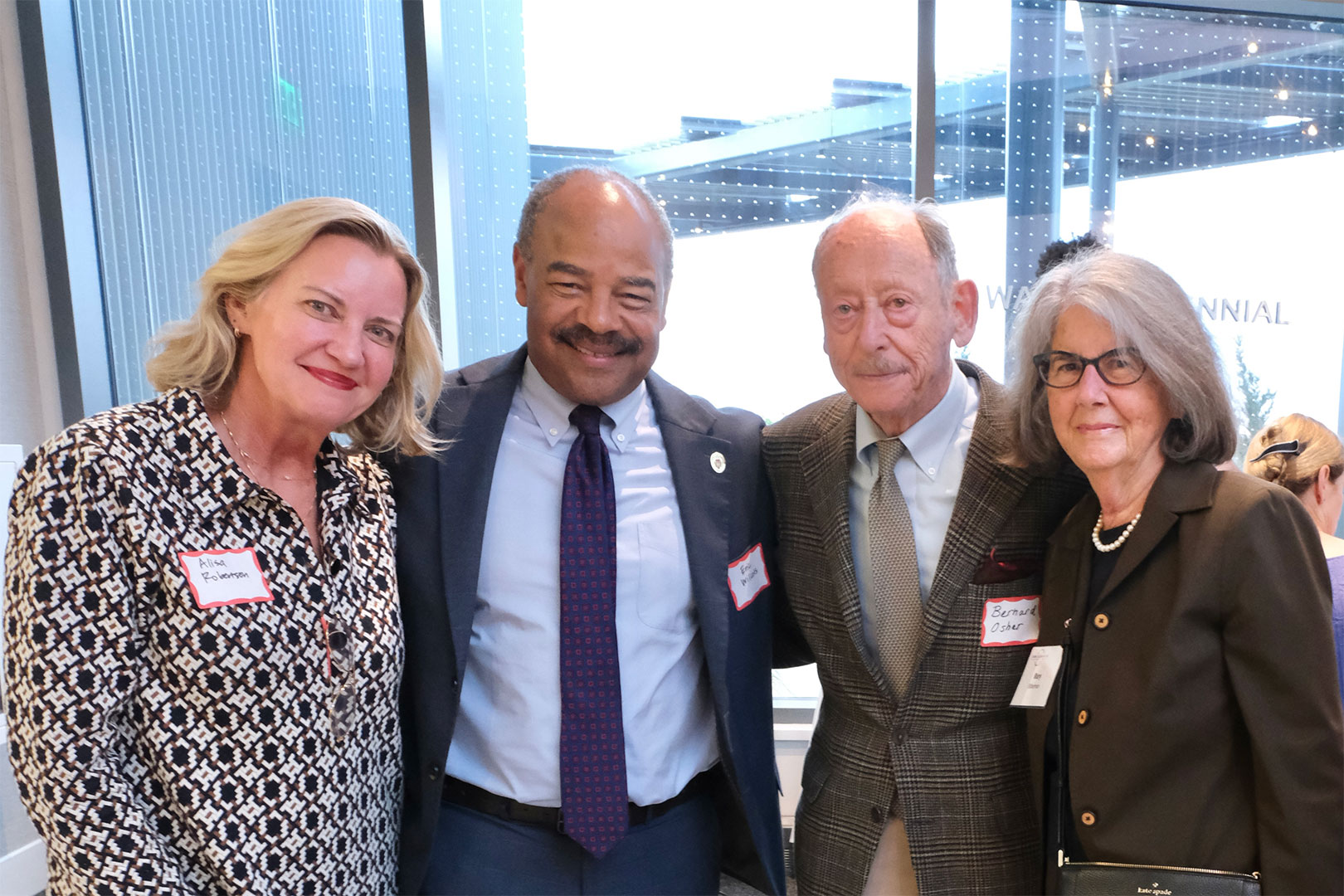
The evening highlighted the many people who helped build the program, from early integrative health providers and mindfulness leaders like Katherine Bonus, who was a founding teacher in the UW Health Mindfulness-Based Stress Reduction Program in 1993 to national collaborators and philanthropic supporters, including Bernard and Barbro Osher, Judy Troia, and the late Sal Troia.
Building a Foundation
Kuphal described the program’s growth as the result of decades of preparation and persistence. Clinicians, educators, researchers, and other integrative health professionals repeatedly came together to refine their mission and prepare for opportunities to advance integrative health.
That groundwork positioned UW faculty to contribute as evidence-based integrative approaches gained wider acceptance.
“When the National Comprehensive Cancer Network decided to include massage, acupuncture and yoga in its guidelines, we were ready to help,” Kuphal said. “When the American College of Physicians recommended integrative therapies as first-line treatment for acute and chronic pain, we knew how to deliver that care.”
DFMCH faculty also helped develop the Veterans Health Administration’s Whole Health model, which has reshaped care for millions of veterans.
From One Clinic to National Influence
For Rakel, the anniversary offered a chance to reflect on how far the program has come.
“Twenty-five years ago, we had a small group of friends, and we said, ‘How can we change the culture of health care delivery?'” Rakel recalled.
The program grew because patients and health care professionals alike were looking for a more comprehensive approach to care, according to Rakel.
“The public wanted it,” Rakel said. “They wanted us to think more of them within the context of their lives. In a medical culture that can be reduced to a pill for every ill, they wanted us to go deeper into the biopsychosocial-spiritual aspects of who they are to find a path towards better health.”
Educating Future Leaders
Dr. Adam Rindfleisch, the fellowship’s inaugural director and first fellow, highlighted education as one of the program’s greatest achievements.
The fellowship will graduate its 42nd fellow this year, and many alumni have become leaders in integrative health nationwide. Its educational reach extends further through widely used clinical resources and the Integrative Medicine textbook, now in its sixth edition, coedited by Rakel and former fellow Dr. Vincent Minichiello, who now serves as associate director of education for the Osher Center and co-director of the Academic Integrative Health Fellowship at UW.
“One of the things I’m most proud of is our fellows,” Rindfleisch said. “What better thing in an educational world than to watch people come up through training and then accelerate and do wonders with their lives?”
Collaboration and the Future
Many speakers pointed to collaboration as a defining strength of both the Osher Center and UW–Madison. Chancellor Eric Wilcots praised Bernard and Barbro Osher for helping establish a network of academic integrative health centers and fostering collaboration among them.
“It’s one thing to create a center. It’s another thing to create several centers,” Wilcots said. “It’s an entirely different thing to bring them together as a collaborative.”
UW joined the Osher Collaborative in 2022 and now works alongside peer institutions nationwide to advance research, education, and clinical innovation in integrative health. Wilcots connected that work to the Wisconsin Idea and UW–Madison’s tradition of interdisciplinary partnership.
For UW School of Medicine and Public Health Dean Nita Ahuja, the anniversary reflected how much health care has evolved over the past 25 years.
“The vision to have a center for integrative health over a quarter of a century ago is phenomenal,” Ahuja said.
Practices such as acupuncture, meditation, movement, and other complementary therapies are now widely recognized as valuable components of patient care, particularly in cancer recovery, pain management, and wellness.
Looking Ahead
While the evening celebrated past accomplishments, speakers emphasized that significant work remains. Kuphal outlined priorities that include expanding access to integrative health services, improving reimbursement models, strengthening implementation research, and preparing the next generation of clinicians to deliver whole-person care while maintaining their own well-being.
“We’re not done yet,” she said.
The program’s journey from a converted closet to a nationally recognized center demonstrates what can happen when a vision persists long enough to meet its moment.
“We have a lot to celebrate,” Kuphal said. “And we’re ready for what’s next.”
Recent News
-
UW Marks 25 Years of Integrative Health, Five Years of the Osher Center
The UW Department of Family Medicine and Community Health celebrates 25 years…
-
Mark Beamsley Receives AAFP Exemplary Teaching Award
Mark Beamsley, MD, receives the AAFP 2026 Exemplary Teaching Award for Medical…
-
Scholarships Open Doors to Global Health Experiences for Medical Students
DFMCH scholarships expand access to global health experiences that broaden students’ perspectives…
Contact Us
Do you have a newsworthy accomplishment to share?
Please send specific details and related photos to Laura Cruz.