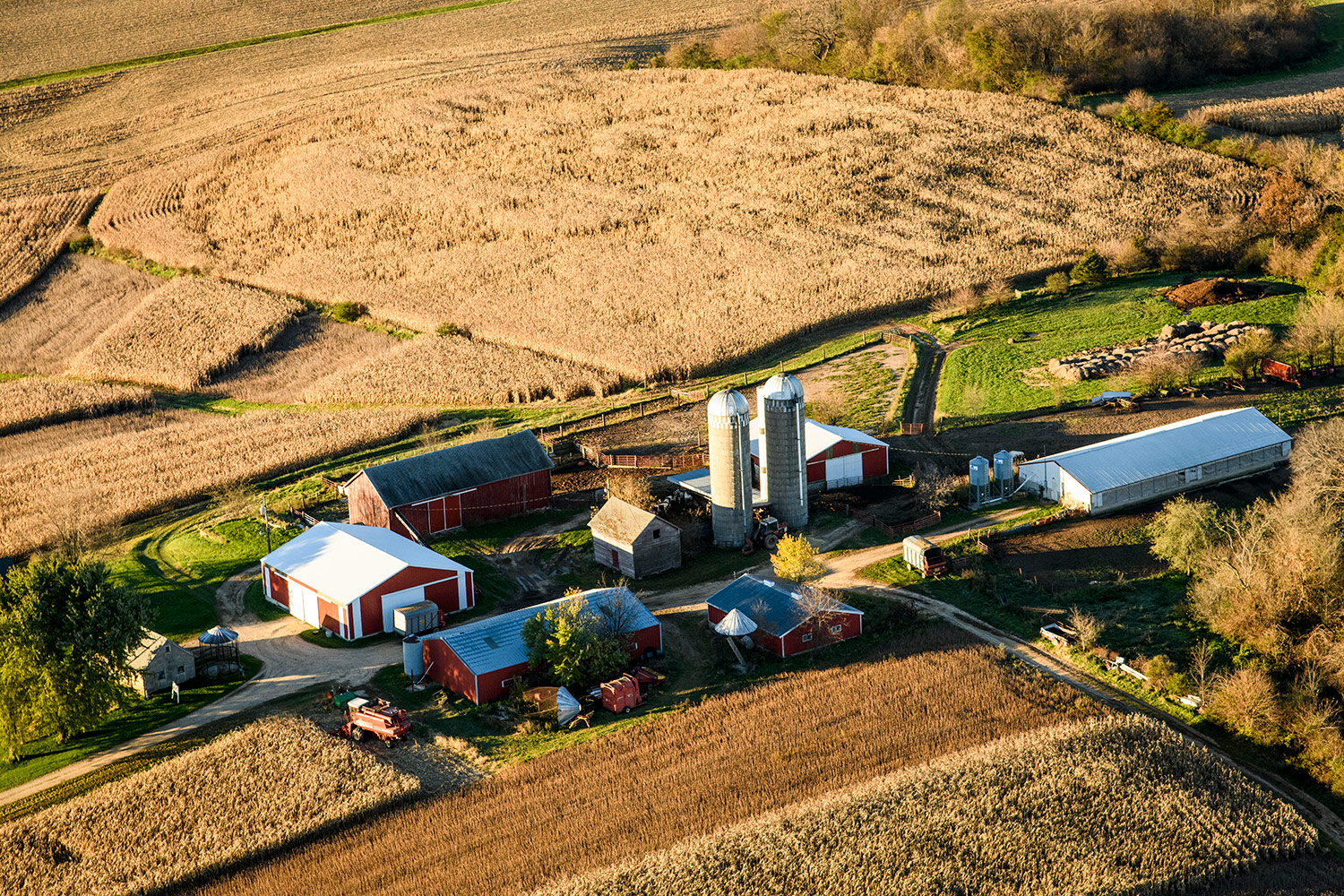
Rural Health Equity
Our Goals
- Support local coalitions in Southwestern Wisconsin to engage and build relationships within and among rural communities.
- Align and collaboratively address priority health issues identified by community partners, family physicians, and university researchers living and working in rural Southwestern Wisconsin.
- Build and maintain strong connections between clinics and the communities in which they serve.
Building Connections
We’ve collaborated with local health departments in rural counties and facilitated relationships between health department staff and clinical staff. We’ve also learned from local community health assessment and improvement plans.
Why It’s Important
Where people are born, live, work, and play impacts their health. People living in rural areas of the U.S. disproportionately experience certain health outcomes such as heart disease, stroke, and unintentional injuries. Social and environmental factors like food access, poverty, and health care access contribute to these outcomes. Rural health has been a focus for decades at the UW Department of Family Medicine and Community Health, including the rural health residency program. The addition of Office of Community Health staff has helped sustain this work and grow relationships with community partners because we know these partnerships have the potential to improve health.
What We’ve Done
Joined coalitions and strengthened relationships
We are building equitable partnerships between community organizations, researchers, and clinicians. As a result of these connections, family medicine clinicians, researchers, and community organizations are better equipped to work as a team. We can also help clinical staff sustain a balance between patient care and community work.
Completed an in-depth rural health assessment
We performed a qualitative assessment with community organizations, family medicine physicians, and university researchers and staff to identify strengths and priority health issues in rural Southwestern Wisconsin. This assessment gave us a clearer understanding of where community and department rural health priorities align and where we can take shared action.
What’s Next?
Sharing our needs assessment broadly
We’re presenting the results of our needs assessment to local community organizations, public health partners, our department, at conferences, and in peer-reviewed journals. This work will inform future grant-funded collaborative efforts to advance health in rural Wisconsin.